House Passes H.R. 3299
Washington, D.C. — Yesterday the House passed the misnamed, Protecting Consumers' Access to Credit Act of 2017, H.R. 3299, which specifies that notwithstanding any State law to the contrary, a loan which was valid when made, remains valid if transferred to a third party and may be enforced by that third party.
The Consumer Federation of America fears that payday lenders will exploit this provision to charge triple interest loans in states which prohibit payday loans by partnering with banks that do not need to follow state law. H.R. 3299 could allow a bank to make a high interest loan they have no interest in servicing and then selling or transferring that loan to a payday lender in the business of making small dollar loans at triple digit interest rates.
Such a scheme could allow payday lenders to make an end run around state laws designed to keep them out.
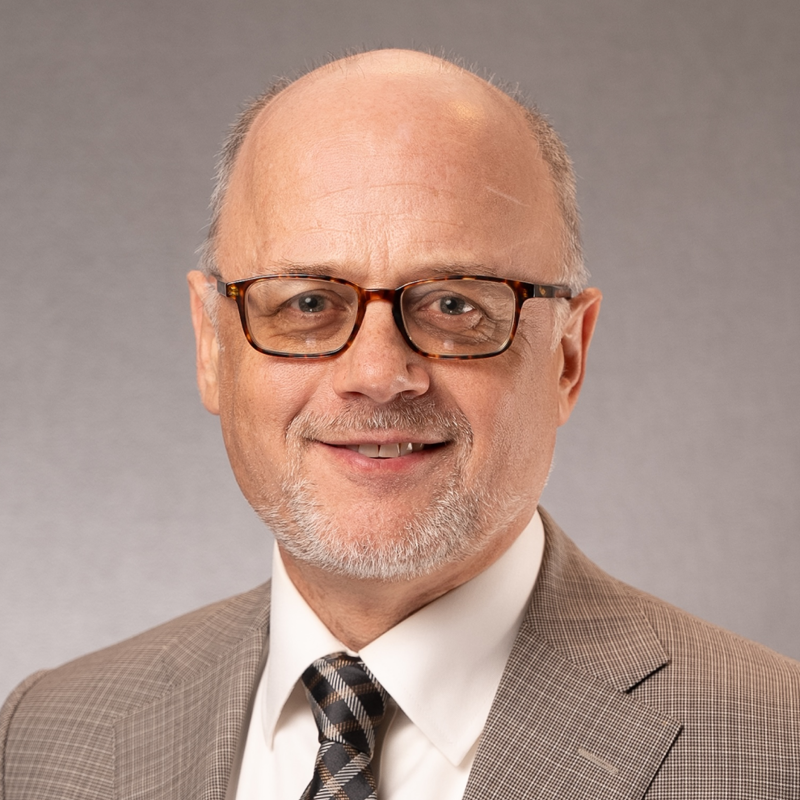
Christopher Peterson, a Senior Fellow at the Consumer Federation of America and the John J Flynn Endowed Professor of Law at the University of Utah, made the following statement:
"Both Congress and our bankers should recognize that responsibility should go hand-in-and with power. Instead, the House just passed a bill to give banks and fintech companies the authority to ignore state law when lending and the opportunity to avoid federal oversight when collecting."
"The Second Circuit Court of Appeals decision in Madden v. Midland Funding correctly recognized that federal preemption of state usury limits for banks should only apply to banks and not the debt collectors, payday lenders, or other companies that banks sell their loans to."
“State interest rate caps are the simplest, strongest defense against predatory lenders—Congress should not undermine local control of interest rates.”
“Proponents of provisions like this often talk about expanding access to credit, but what we are really talking about is undermining the will of the people in states who have recognized that triple digit interest loans aren’t credit—they are a debt trap for consumers.”
Contact: Christopher L. Peterson, 202-387-6121 x1020